Be A-ed (Passive tense), when the action is directed at the subject.
When included, the agent of the action is marked with に
- Be A-ed (Passive tense), when the action is directed at the subject. When included, the agent of the action is marked with に
- A is done, A happens The action is not usually directed at the subject, but has a negative/undesirable connotation.
- A does B The passive form can be used as an honorific form, so A would be someone above the speaker (boss, customer, etc.)
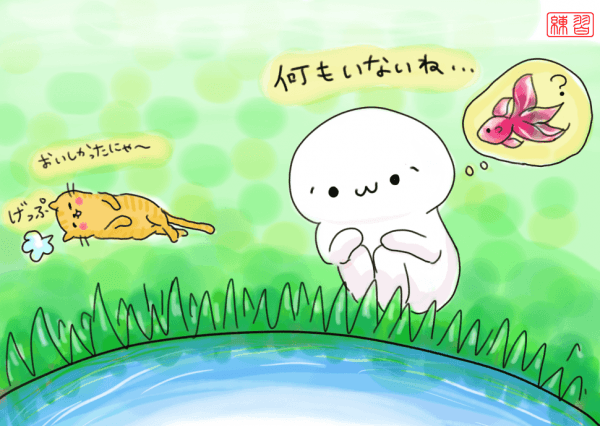
魚は猫に食べられた。
The fish was eaten by the cat.
33
この車は十年前に作られました。
This car was made ten years ago.
31
私は授業中、無駄話をしていたので先生に注意された。
I was idly chatting in the middle of class, so I was warned by the teacher.
27
弟は昨日お兄さんに叩かれて泣きました。
Yesterday, my little brother was hit by my older brother and cried.
26
私に呼ばれたら、皆の前で発表してください。
If you're called by me, please present in front of the class.
46
私は生徒に「先生」と呼ばれています。
I'm called 'teacher' by the students.
25
この番号は現在使われていません。
This number is not being used. (As in a phone company's recorded message)
32
嘘をついたので、母に怒られました。
My mom got mad because I lied.
7
この漫画は主に女性に読まれている。
This comic book is mainly read by women.
7
弟は祖父に可愛がられている。
My little brother is loved by my grandfather.
5
子犬達は一匹ずつ、母や父の知り合いにもらわれていいた。
The puppies were, one by one, taken by acquaintances of my mother and father.
8
強い風が吹き、帽子がさらわれてしまった。
A strong wind blew and my cap was swept away.
6
姉さんはまた男に捨てられたんだ。
My older sister was dumped again by a guy.
7
昨日私は兄から意地悪をされて泣きました。
Yesterday my older brother was mean to me and I cried.
7
この小説は19世紀に書かれた物だ。
This novel was written in the 19th century.
5
この物語は、古くから語り継がれてきた。
This story has been passed down from ancient times.
4
この料理は江戸時代から作られていた物です。
This dish had been made since the Edo period.
Getting the sentences
1. Determine if it's a godan or ichidan verb
How do I determine the type of the verb?
2. Conjugating the verbs
Godan verbs
1. Change the last character from its 'u' form to the 'a' form.
む (mu) => ま (ma)
す (su) => さ (sa)
う (u) => わ (wa)
ぬ (nu) => な (na)
つ (tsu) => た (ta)
ぶ (bu) => ば (ba)
く (ku) => か (ka)
ぐ (gu) => が (ga)
る (ru) => ら (ra)
1. Change the last character from its 'u' form to the 'a' form.
む (mu) => ま (ma)
す (su) => さ (sa)
う (u) => わ (wa)
ぬ (nu) => な (na)
つ (tsu) => た (ta)
ぶ (bu) => ば (ba)
く (ku) => か (ka)
ぐ (gu) => が (ga)
る (ru) => ら (ra)
Ichidan verbs
1. Change the る from the end of the verb to ら (ra)
1. Change the る from the end of the verb to ら (ra)
Special cases
1a. する (to do) is changed to さ.
1b. くる (to come) is changed to こら.
1a. する (to do) is changed to さ.
1b. くる (to come) is changed to こら.
2. Add れる to make the passive form.
Conjugation & examples
Usage:
Person は Actor に Act (Action+Verb)
私は友達にお菓子をたべられる
I had my candy eaten by a friend.
Let's conjugate the godan verb 書く/かく (to write):
Now let's conjugate the verb 食べる/たべる (to eat), which is an ichidan verb:
Basic Examples
Before we start: かく
1. かく -> かか
2. かか -> かかれる (written by)
Now let's conjugate the verb 食べる/たべる (to eat), which is an ichidan verb:
Basic Examples
Before we start: たべる
1. たべる -> たべら
2. たべ -> たべられる (eaten by)
Where this grammar is found
User notes

shirokitsune
Level: 1023
(9 years ago)
In the passive voice the subject is what would be considered the object in active voice.
An example would be: (Active) He broke the mirror. 彼は鏡を割りました。
(Passive) The mirror was broken by him. 鏡は彼に割られました。
You must be careful as Ichidan verbs are conjugated the same way as potential form (can).
You can tell the difference because the one doing the action in passive form (him/彼) is marked with the particle に.
An example would be: (Active) He broke the mirror. 彼は鏡を割りました。
(Passive) The mirror was broken by him. 鏡は彼に割られました。
You must be careful as Ichidan verbs are conjugated the same way as potential form (can).
You can tell the difference because the one doing the action in passive form (him/彼) is marked with the particle に.
17
A is done, A happens
The action is not usually directed at the subject, but has a negative/undesirable connotation.
- Be A-ed (Passive tense), when the action is directed at the subject. When included, the agent of the action is marked with に
- A is done, A happens The action is not usually directed at the subject, but has a negative/undesirable connotation.
- A does B The passive form can be used as an honorific form, so A would be someone above the speaker (boss, customer, etc.)
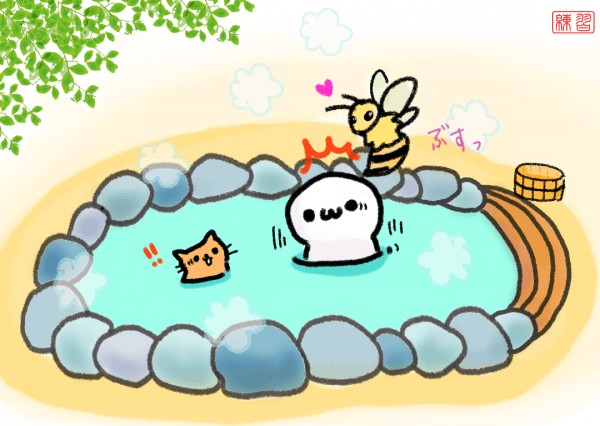
温泉に行ったのに、虫に刺された。
I went to the hot springs, but I was stung by an insect.
21
外で遊んでいる最中、雨に降られた!
While I was playing outside it started to rain!
18
留守の間に、泥棒に入られました。
A robber broke in while I was gone.
6
財布を掏られた!
My wallet was stolen!
9
人の命が突然奪われるのは辛いことだ。
It's heart-breaking to have a person's life suddenly taken.
7
殺された男は、その部屋の住人だった。
The man who was killed was a resident of that room.
Getting the sentences
1. Determine if it's a godan or ichidan verb
How do I determine the type of the verb?
2. Conjugating the verbs
Godan verbs
1. Change the last character from it's 'u' form to the 'a' form.
む (mu) => ま (ma)
す (su) => さ (sa)
う (u) => わ (wa)
ぬ (nu) => な (na)
つ (tsu) => た (ta)
ぶ (bu) => ば (ba)
く (ku) => か (ka)
ぐ (gu) => が (ga)
る (ru) => ら (ra)
1. Change the last character from it's 'u' form to the 'a' form.
む (mu) => ま (ma)
す (su) => さ (sa)
う (u) => わ (wa)
ぬ (nu) => な (na)
つ (tsu) => た (ta)
ぶ (bu) => ば (ba)
く (ku) => か (ka)
ぐ (gu) => が (ga)
る (ru) => ら (ra)
Ichidan verbs
1. Change the る from the end of the verb to ら (ra)
1. Change the る from the end of the verb to ら (ra)
Special cases
1a. する (to do) is changed to さ.
1b. くる (to come) is changed to こら.
1a. する (to do) is changed to さ.
1b. くる (to come) is changed to こら.
2. Add れる to make the passive form.
Conjugation & examples
Usage:
Person は Actor に Act (Action+Verb)
私は友達にお菓子をたべられる
I had my candy eaten by a friend.
Let's conjugate the godan verb 書く/かく (to write):
Now let's conjugate the verb 食べる/たべる (to eat), which is an ichidan verb:
Basic Examples
Before we start: かく
1. かく -> かか
2. かか -> かかれる (written by)
Now let's conjugate the verb 食べる/たべる (to eat), which is an ichidan verb:
Basic Examples
Before we start: たべる
1. たべる -> たべら
2. たべ -> たべられる (eaten by)
Where this grammar is found
User notes
A does B
The passive form can be used as an honorific form, so A would be someone above the speaker (boss, customer, etc.)
- Be A-ed (Passive tense), when the action is directed at the subject. When included, the agent of the action is marked with に
- A is done, A happens The action is not usually directed at the subject, but has a negative/undesirable connotation.
- A does B The passive form can be used as an honorific form, so A would be someone above the speaker (boss, customer, etc.)
1
彼が運転されました。
He drove.
1
田中さんが歌われました。
Mr. Tanaka sang.
Getting the sentences
Construction
(Elements in parentheses are optional.)
Basic Examples:
社長は行かれます (the boss goes)
Where this grammar is found
User notes

サイノ
Level: 240
(1 month ago)
This might help a little to differentiate honorific and passive:
Intransitive verb CANNOT be used in passive tense, but CAN be in the 2nd (negative connotation) and 3rd (honorific speech) usage.
2
Discussion about this grammar


