5-Ban no basu no basutei wa dokodesu ka?

Where is the bus stop for the number 5 bus?

Whats the difference between
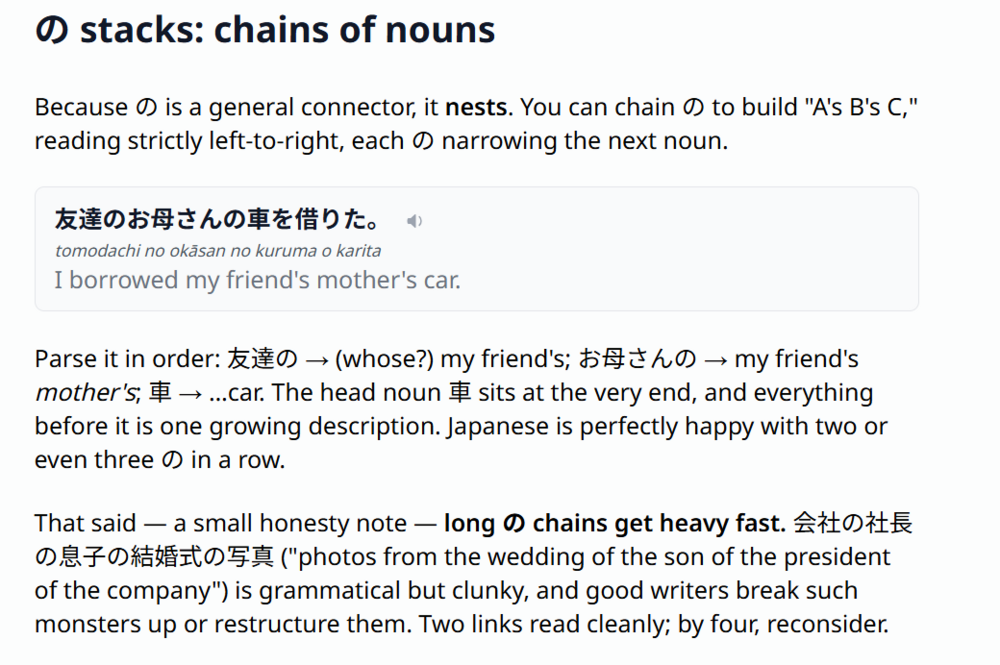
saying word a の word b
vs
saying word a の word b の word c?

Thanks!

also I originally made the sentence バス停はどこですか?but then added on the other part with Google translate our of curiosity of how it would change the sentence, I know thats bad practice but im just curious based on the sentence I made myself
I think you could leave the first の out to get 「5番バスのバス停はどこですか?」. I'm not totally sure though, but in this case, the double の also doesn't sound correct.
Long の (possession/association) chains are certainly possible, e.g. 姉の大学時代の友達の成績. It's just that they aren't always equally natural.
You're basically just stacking relationships between nouns, if that makes sense.
姉の大学時代 (2)
姉の大学時代の友達 (3)
姉の大学時代の友達の成績 (4)
PS: By the way, I also think 5番バス is more natural here. Not that there's anything wrong with 5番のバス. It's just that Japanese route names often become compounds.