Welcome to the world of conjugations (some folks hate to use the word, but it is what it is about)! It's not uncommon to instead call it "forms" or "inflections" of the word. This also goes way back to Old Japanese.
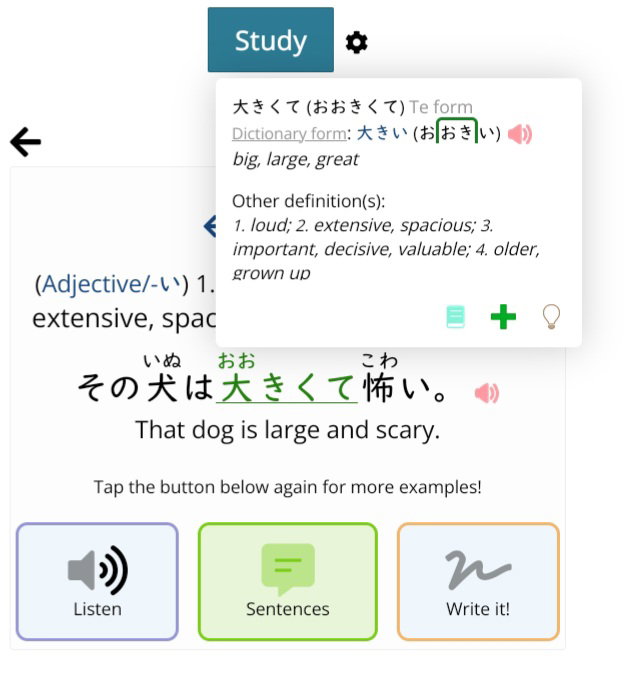
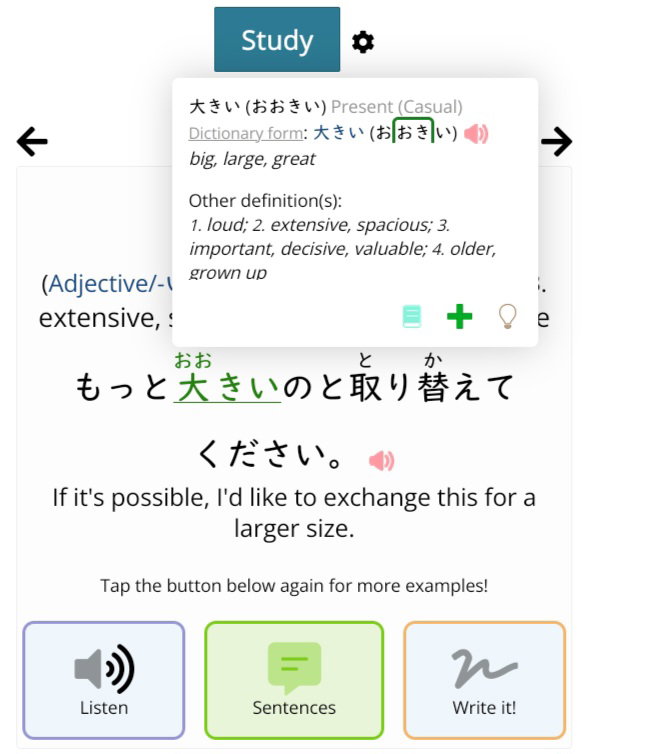
If you see a thing like that, but it doesn't look like the full spelling, chances are, it's not a spelling error. Not unless you know what is being used. It is really just the same way that works in other languages when you add suffixes like -ly, -ing, -ed, and the like. Sometimes you also have to change the spelling even in English like if the letter ends in Y. For Japanese, you may have to do that, or, depending on some forms, you have to add another term and you can change the tense of that term from there instead.
The easiest part is knowing that there are these patterns and it's simple to follow. Unfortunately, the hardest part of Japanese is that this entails an amount of sophistication that is hard to memorize, as there are MANY possible ways. And on top of that, there's different levels of formality you may have to change the sentence to have the proper way to address the audience.
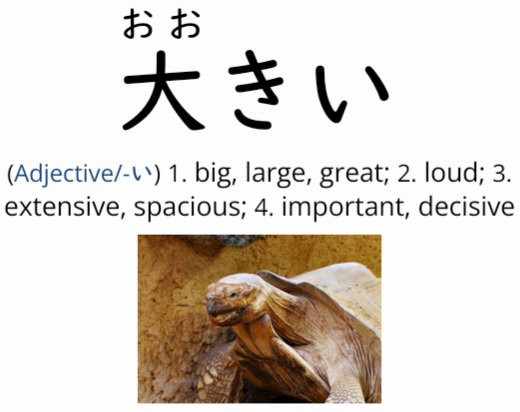
And, for that word in particular, there's also another example which may also throw you off. Fromt he same word, you can also have a form spelled such as 大きな instead of おおきい. There is a difference, both for nuance and purpose, but they share the same root of that word. So some words are spelled differently with the same principle, likely because the ending gives the base word its classification, and it basically has a particular function, which is why you have to modify that part for different forms.






 but then if there was maybe it would look too cluttered i suppose
  i will try to remember putting my glasses on so this kind of thing doesn't go unnoticed by me again
