Even though A; in spite of A
- Even though A; in spite of A
- In order to A; in the process of doing A Only verbs of volition can be used with this pattern.
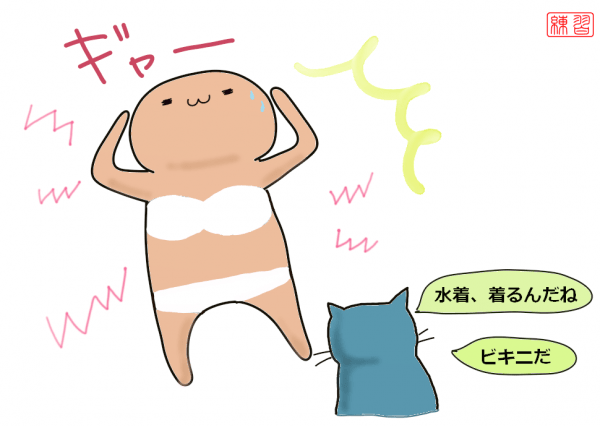
日焼け止めを塗ったのに日焼け為た!
Even though I put on suntan lotion, I got burned!
24
お爺ちゃんは凄く元気なのに、人の前では病気の振りを為る
Even though my grandfather is doing well, in front of other people he acts as if he is sick.
0
32
婚約為て居るのにキスを拒否為れた。
Even though we're engaged she wouldn't let me kiss her.
0
24
あんなに必死に頑張ったのに、又試験に落ちちゃったの?
Even though you tried so desperately, you flunked again?
0
12
隣に住んでるのに、彼は私たちに挨拶さえ為ない。
Though he lives next door, he doesn't even say hello to us.
0
Page: 5 of 6

dragn270

Level: 1
(15 years ago)
彼は事故を起したのにつかまえなかったんです。
Even though he caused the accident he wasn't arrested.
2
0
KomatoseKowboy
起きた would mean more like he "happened" the accident.
Level: 1
(15 years ago)
彼は事故を起こしたのにつかまえなかったんです。
0

くるるぎくん
Level: 1
(15 years ago)
飴が大好きなのに、ブレサズを持ってだからたくさん食べちゃあかん。
Even though i love candy, I have braces so i can not eat alot of it.
0
0

djjapan
Level: 1
(15 years ago)
漢字を読めるのに意味はわかりません。
Even though I can read the kanji、I don`t know the meaning.
0
0


beckyr16

Level: 1
(15 years ago)
北海道の冬はさむいのに女性が短いスカートをよくはいています。
Even though Hokkaido's winters are cold, girls often wear short skirts.
6
0
(deleted user)
I just changed some particles So that it further matched what you wanted to say in Japanese.Also, The Japanese Doesnt say that They are "Often seen"、Just that they often wear.
Level: 1
(15 years ago)
北海道の冬はさむいなのに女性が短いスカートをよくはきています。
0
gaokyouryuu
なのに is used when following nouns and na adjectives. Since samui is a i-adjective we must drop the na and only use のに. はく's て form, like all verbs ending in く, needs to drop the く and add いて.
Level: 1
(15 years ago)
北海道の冬はさむいのに、女性が短いスカートをよくはいています。
0
beckyr16
Level: 1
(15 years ago)
So, drop the い in さむい and change it to くて? That's not what your suggested improvement shows, and I'm not certain that I'm understanding correctly.
0
gaokyouryuu
Level: 1
(15 years ago)
I should of clarified that I was talking about two different issues in the sentence. The first comment is about the なのに part. なのに only has な in front when following na-adjectives or nouns; in this case it is an i-adjective (さむい)so you should only use のに.
The second comment was about 「はきています」, since the dictionary form is はく(to wear) it conjugates to はいています. I hope this makes more sense.
The second comment was about 「はきています」, since the dictionary form is はく(to wear) it conjugates to はいています. I hope this makes more sense.
1
lena
Level: 8
(15 years ago)
一生けんめい勉強したのに、試験に受からなかった。
Even though I studied very hard, I didn't pass the test.
0
0

coin
Level: 665
(16 years ago)
毎日たくさん勉強したのに、試験のとき私はたくさん間違えました。
Even though I studied a lot every day, at the time of the test I made many mistakes.
0
0

友人
Level: 1
(16 years ago)
嵐は数が吹き荒れいてのに、高い気温が続けれいた。
Despite several storms blowing through, high temperatures continued.
0
0

Wallace
Level: 1
(16 years ago)
私は大学生なのに高校生についてのテレビ番組が好き。恥ずかしいよ!
Even though I'm a college student I like T.V. shows about high school students. How embarrassing!
0
1
Judu

Level: 1
(16 years ago)
(このあいだ、ともだちの3人で女子でもないのに食べ歩きをしてしまいました。
The other day, with 3 friends, even though we are not girls, we walked around eating.
1
0
mysticfive
Level: 2347
(16 years ago)
The other day is この間(このあいだ)not こないだ. Also, your Japanese doesn't match your English at the end of the sentence - the translation of the Japanese you wrote would be 'we walked around eating,' rather than eating at different restaurants.
1

無風
Level: 3
(16 years ago)
この音楽が嫌いのにまた聴いているんです。
Even though I hate this song, I'm still listening to it.
4
0
mysticfive
Level: 2347
(16 years ago)
saying この音楽が嫌い is more saying you dislike a type of music (ie classical, rap, etc); if you want to say you dislike a song, 曲(きょく) would be more appropriate.
0
無風
Level: 3
(16 years ago)
I had responded to you but somehow that comment is gone now. Well thank you, and I actually usually use 'kyoku', I dont know why I wrote that, I probably changed my train of thought halfway. Besides that, does 'Uta' refer specifically to a lyrical piece?
0
mysticfive
Level: 2347
(16 years ago)
うた refers to a song with words (so yes) or it can also refer to poetry
0
mysticfive
Level: 2347
(16 years ago)
「君が大好き」と言ったのに、彼女をキスをしていたよ!酷い!
You said you like me, but you were just kissing her! How could you!
0
1


echoism
Level: 1
(16 years ago)
毎日勉強したのに、漢字が全然覚えれなかった。
Even though I studied everyday, I couldn't remember kanji at all.
0
0

宮本勝利
Level: 1
(17 years ago)
危ないって注意されたのに、軍隊に入った。
I enlisted in the military even though I was warned that it was dangerous.
0
0

kriziadlc06
Level: 1
(17 years ago)
毎日仕事をしているのにお金がない!
Even though I'm working every day, I have no money!
1
1
mithrila
Level: 1
(17 years ago)
私は毎日中国語が勉強するのに、まだ日本語の方が上手です。
Even though I study Chinese everyday, I'm still better at Japanese.
1
0
宮本勝利
You should use the direct object particle を for studying Chinese. You should also use the ている pattern to denote that this is an ongoing process.
Level: 1
(17 years ago)
私は毎日中国語を勉強しているのに、まだ日本語の方が上手です。
0
Diamondrock
Level: 1
(17 years ago)
毎日日本語を勉強するのに、話せません。
Even though I study Japanese every day, I can't speak it.
1
0
宮本勝利
Since you are studying Japanese everyday, it's an ongoing process/routine, so you should use the ている form of する.
Level: 1
(17 years ago)
毎日日本語を勉強しているのに、話せません。
0

Getting the sentences
Page: 5 of 6
Construction
(Elements in parentheses are optional.)
Basic Examples:
言ったのに (even though (I) said)
美しいのに (although (she's) beautiful)
便利なのに (although it's useful)
晴れなのに (even though it's sunny)
Notes
While のに had a rather wide range of uses, it generally precedes a clause that is surprising or different from what was expected. Although it is often used to mark a complaint or negative viewpoint about a situation, this is not always the case.
Related Expressions
ことは~が
Where this grammar is found
Grammar usage notes
Basically, there should be dissatisfaction/discontent/complaint/etc or surprise feeling/implication in order to use this feature of のに. If there are no such feeling/implication, use が or けど instead.
At least that's what written on and I understood from goo.ne.jp
At least that's what written on and I understood from goo.ne.jp
Used with FACTS only, both before and after のに。
Thus, you cannot use のに with requests or suggestions, for example. — Genki II
❌ incorrect: この本は少し長いのに、読んでみてください。
✅ instead use: この本は少し長いですが、読んでみてください。
Thus, you cannot use のに with requests or suggestions, for example. — Genki II
❌ incorrect: この本は少し長いのに、読んでみてください。
✅ instead use: この本は少し長いですが、読んでみてください。

Questions/Discussion


In order to A; in the process of doing A
Only verbs of volition can be used with this pattern.
- Even though A; in spite of A
- In order to A; in the process of doing A Only verbs of volition can be used with this pattern.
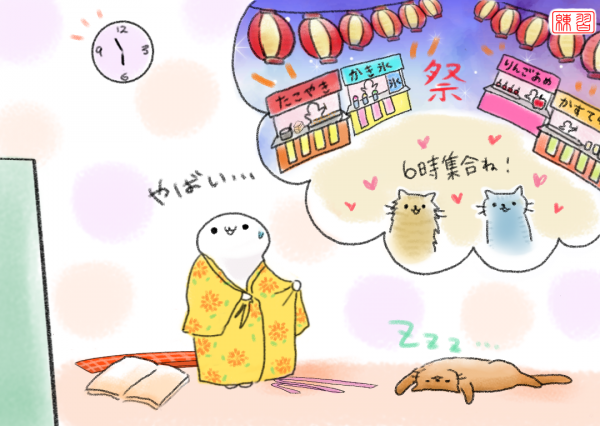
浴衣を着るのに時間がかかった。
It took a lot of time to put on the yukata.
5
私は兄達が遊びに行くのに何時もくっ付いていった。
I always went along with my older brothers to play.
0
18
靴ひもを結ぶのに手間取って仕舞った。
It took time to tie my shoelaces.
0
16
宿題遣るのに必要だから、パソコン買ってよ!
I need it to do my homework, so buy me a computer!
0
8
此の神殿は建てるのに46年掛かりました。
It has taken forty-six years to build this temple. [Bible]
0
10
其の家具を動かすのに力が要った。
It took a lot of energy to move the furniture.
0
Construction
(Elements in parentheses are optional.)
Basic Examples:
戦うのに (in order to fight)
Related Expressions
ため(に)
ように
ように
Where this grammar is found
Grammar usage notes
heya wa itsumo kirei no ni, kyou wa chirakatteiru.
even though the room is always clean, today it’s messy
heya wa itsumo kirei da kedo, kyou wa chirakatte iru.
The first sentence is softly critical,or surprised. The second sentence (with kedo) instead implies a neutral observation.
even though the room is always clean, today it’s messy
heya wa itsumo kirei da kedo, kyou wa chirakatte iru.
The first sentence is softly critical,or surprised. The second sentence (with kedo) instead implies a neutral observation.
Questions/Discussion
For the second meaning of "in order to A", is this basically a shorter form of のために?