Make (somebody) A, this is coercive or forced onto the object of the sentence.
- Make (somebody) A, this is coercive or forced onto the object of the sentence.
- Allow (somebody) to A, this is permission from the subject to the object.
- Make (somebody) A, because of the subject; the object is caused to A
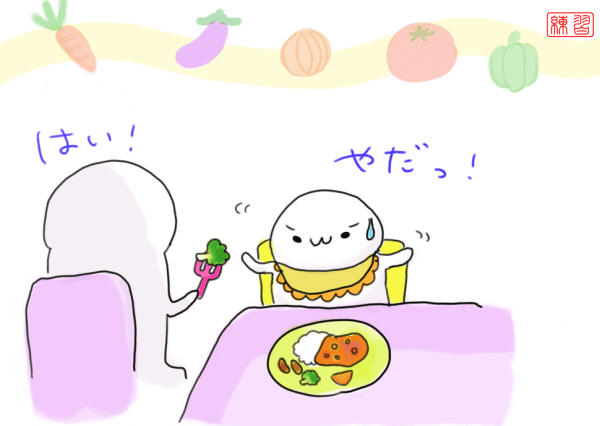
子供の頃、お母さんは私に野菜を食べさせた。
When I was a child, Mom made me eat vegetables.
65
受験の為、両親は子供を毎日勉強させるのは普通だ。
It's common for parents to make their children study every day for the (entrance) exams.
0
45
お母さん、嫌!私は先週やったので、今度はお兄さんに片付けさせて。
No, mom! I did it last week, so make (my) brother clean up this time.
0
33
女の子は自分の妹を泣かせました。
That little girl made her own little sister cry.
0
23
娘にピアノを習わせたい。
I want to make my daughter learn the piano.
0
21
母は私にトイレを掃除させた。
Mom made me clean the bathroom.
0
14
父は兄を問い詰め、洗いざらい喋らせた。
Dad pressed my older brother and made him talk about everything.
0
14
詰らない事で彼を困らせるな。
Don't trouble him with trifles.
0
12
素早く火事を下火に為せた。
I quickly brought the fire under control.
0
25
私は息子を医者に診察為せた。
I made my son see the doctor.
0
10
私は彼に垣根のペンキを塗らせた。
I got him to paint the fence.
0
Getting the sentences
1. Determine if it's a godan or ichidan verb
How do I determine the type of the verb?
2. Conjugating the verbs
Godan verbs
1. Change the last character from it's 'u' form to the 'a' form.
む (mu) => ま (ma)
す (su) => さ (sa)
う (u) => わ (wa)
ぬ (nu) => な (na)
つ (tsu) => た (ta)
ぶ (bu) => ば (ba)
く (ku) => か (ka)
ぐ (gu) => が (ga)
る (ru) => ら (ra)
1. Change the last character from it's 'u' form to the 'a' form.
む (mu) => ま (ma)
す (su) => さ (sa)
う (u) => わ (wa)
ぬ (nu) => な (na)
つ (tsu) => た (ta)
ぶ (bu) => ば (ba)
く (ku) => か (ka)
ぐ (gu) => が (ga)
る (ru) => ら (ra)
Ichidan verbs
1. Change the る from the end of the verb to さ (sa)
1. Change the る from the end of the verb to さ (sa)
Special cases
1a. する (to do) is changed to さ.
1b. くる (to come) is changed to こさ.
1a. する (to do) is changed to さ.
1b. くる (to come) is changed to こさ.
2. Add せる to make the causative form.
Conjugation examples
Let's conjugate the godan verb 書く/かく (to write):
Now let's conjugate the verb 食べる/たべる (to eat), which is an ichidan verb:
Basic Examples
Before we start: かく
1. かく -> かか
2. かか -> かかせる (to be made to write/to be allowed to write)
Now let's conjugate the verb 食べる/たべる (to eat), which is an ichidan verb:
Basic Examples
Before we start: たべる
1. たべる -> たべさ
2. たべさ -> たべさせる (to be made to eat/to be allowed to eat)
Related Expressions
Causative Passive/させられる (使役受身)
Where this grammar is found
Grammar usage notes
To be coercive, the を particle will be used in most case.
(A) 受験のため、両親は子供 に 毎日一生懸命勉強させる。(not very natural)
(B) 受験のため、両親は子供 を 毎日一生懸命勉強させる。(perfect)
Parents will make their children study hard for entrance exam. (coersive)
However, to avoid double usage of a particle, exception happened.
(A) 私は娘 を フランス語 を 勉強させた。(incorrect)
(B) 私は娘 に フランス語 を 勉強させた。(perfect)
I made or I let my daughter study French.
To specify whether you made or you let, you can use ~てあげる* to mean "let", so
(C) 私は娘 に フランス語 を 勉強させてあげる。
I let my daughter study French. (permissive)
*It's not limited for ~てあげる, the variant ~てくれる/もらう can also be used.
-summarized from the grammar's discussion below and Meadowlake's post on Lang-8
(A) 受験のため、両親は子供 に 毎日一生懸命勉強させる。(not very natural)
(B) 受験のため、両親は子供 を 毎日一生懸命勉強させる。(perfect)
Parents will make their children study hard for entrance exam. (coersive)
However, to avoid double usage of a particle, exception happened.
(A) 私は娘 を フランス語 を 勉強させた。(incorrect)
(B) 私は娘 に フランス語 を 勉強させた。(perfect)
I made or I let my daughter study French.
To specify whether you made or you let, you can use ~てあげる* to mean "let", so
(C) 私は娘 に フランス語 を 勉強させてあげる。
I let my daughter study French. (permissive)
*It's not limited for ~てあげる, the variant ~てくれる/もらう can also be used.
-summarized from the grammar's discussion below and Meadowlake's post on Lang-8

Basic structure: (Person forcing/allowing) は/が (person being forced/allowed) を/に (causative verb)。
So when to use を or に?
1. With transitive verbs, に is used to mark the person being made/allowed. を cannot be used because it is already marking the direct object of the transitive verb. Therefore に covers both functions: being made and being allowed.
Example a : お母さんは私に野菜を食べさせる。 (My mom makes me eat vegetables.)
Example b: お母さんは私にアイスを食べさせる。(My mom lets me eat ice cream.)
2. With intransitive verbs, there is no direct object for を to mark. So を is used to mean being made to do something, while に is used for being allowed to do something.
Example c: 先生は生徒を座らせた。(The teacher made the students sit down.)
Example d: 父親は子どもにプールで泳がせた。(The father let his child swim in the pool.)
Source: [imabi.org]
It explains a lot more nuance with plenty of examples so it's worth checking out!
So when to use を or に?
1. With transitive verbs, に is used to mark the person being made/allowed. を cannot be used because it is already marking the direct object of the transitive verb. Therefore に covers both functions: being made and being allowed.
Example a : お母さんは私に野菜を食べさせる。 (My mom makes me eat vegetables.)
Example b: お母さんは私にアイスを食べさせる。(My mom lets me eat ice cream.)
2. With intransitive verbs, there is no direct object for を to mark. So を is used to mean being made to do something, while に is used for being allowed to do something.
Example c: 先生は生徒を座らせた。(The teacher made the students sit down.)
Example d: 父親は子どもにプールで泳がせた。(The father let his child swim in the pool.)
Source: [imabi.org]
It explains a lot more nuance with plenty of examples so it's worth checking out!

Questions/Discussion
Nothing posted yet!
Allow (somebody) to A, this is permission from the subject to the object.
- Make (somebody) A, this is coercive or forced onto the object of the sentence.
- Allow (somebody) to A, this is permission from the subject to the object.
- Make (somebody) A, because of the subject; the object is caused to A
38
昨日お父さんの車を運転為せて貰ったけど、直ぐに事故を起こして仕舞った。
Yesterday my father let me drive his car, but I quickly got into an accident.
0
27
彼の猿にバナナを食べさせないで!少しでも食べたら、もっと欲しがるからさ。
Don't let that monkey have a banana! If he eats even a little of it, he'll want more.
0
20
息子は彼の映画を凄く見たがって居るけど、良くないので見させません。
My son really wants to watch that movie, but it's not any good so I won't let him watch it.
0
23
二次会は御遠慮させて下さい。
Please allow me to refrain from going to the after-party.
0
9
離婚なんて、そんな見っとも無い真似させませんよ!
Divorce?! I won't allow such disgraceful behavior!
0
23
彼に其れを触らせるな。
Don't let him touch it.
0
Getting the sentences
1. Determine if it's a godan or ichidan verb
How do I determine the type of the verb?
2. Conjugating the verbs
Godan verbs
1. Change the last character from it's 'u' form to the 'a' form.
む (mu) => ま (ma)
す (su) => さ (sa)
う (u) => わ (wa)
ぬ (nu) => な (na)
つ (tsu) => た (ta)
ぶ (bu) => ば (ba)
く (ku) => か (ka)
ぐ (gu) => が (ga)
る (ru) => ら (ra)
1. Change the last character from it's 'u' form to the 'a' form.
む (mu) => ま (ma)
す (su) => さ (sa)
う (u) => わ (wa)
ぬ (nu) => な (na)
つ (tsu) => た (ta)
ぶ (bu) => ば (ba)
く (ku) => か (ka)
ぐ (gu) => が (ga)
る (ru) => ら (ra)
Ichidan verbs
1. Change the る from the end of the verb to さ (sa)
1. Change the る from the end of the verb to さ (sa)
Special cases
1a. する (to do) is changed to さ.
1b. くる (to come) is changed to こさ.
1a. する (to do) is changed to さ.
1b. くる (to come) is changed to こさ.
2. Add せる to make the causative form.
Conjugation examples
Let's conjugate the godan verb 書く/かく (to write):
Now let's conjugate the verb 食べる/たべる (to eat), which is an ichidan verb:
Basic Examples
Before we start: かく
1. かく -> かか
2. かか -> かかせる (to be made to write/to be allowed to write)
Now let's conjugate the verb 食べる/たべる (to eat), which is an ichidan verb:
Basic Examples
Before we start: たべる
1. たべる -> たべさ
2. たべさ -> たべさせる (to be made to eat/to be allowed to eat)
Where this grammar is found
Grammar usage notes
While to be permissive, the に particle, on the other hand, will mostly be used.
(A) 私は息子 に フランス に 行かせてあげる。(not very natural)
(B) 私は息子 を フランス に 行かせてあげる。(perfect)
I let my son goes to France.
~てあげる* used to specify that you are "letting". Depending on the context, the meaning will be hardly specified without it.
(C) 私は息子 を フランス に 行かせる。
I make or I let my son goes to France. (The context seems mean that you are "making", not "letting", though it's still unclear)
*It's not limited for ~てあげる, the variant ~てくれる/もらう can also be used.
-summarized from the grammar's discussion below and Meadowlake's post on Lang-8
(A) 私は息子 に フランス に 行かせてあげる。(not very natural)
(B) 私は息子 を フランス に 行かせてあげる。(perfect)
I let my son goes to France.
~てあげる* used to specify that you are "letting". Depending on the context, the meaning will be hardly specified without it.
(C) 私は息子 を フランス に 行かせる。
I make or I let my son goes to France. (The context seems mean that you are "making", not "letting", though it's still unclear)
*It's not limited for ~てあげる, the variant ~てくれる/もらう can also be used.
-summarized from the grammar's discussion below and Meadowlake's post on Lang-8
When to use もらう and くれる ?
Use もらう when you want to have the nuance of asking X and X allowing it/letting you to do Y. They maybe didn't wanted to allow Y but allowed Y anyway.
It required X to ask for your permission.
もらう = I asked a permission and benefited from it.
Use くれる when you want to show the nuance of you appreciating their actions, as if it feels like a favor given by X.
くれる = They kindly did something for me.
The one giving the favor is marked with が。
Use もらう when you want to have the nuance of asking X and X allowing it/letting you to do Y. They maybe didn't wanted to allow Y but allowed Y anyway.
It required X to ask for your permission.
もらう = I asked a permission and benefited from it.
Use くれる when you want to show the nuance of you appreciating their actions, as if it feels like a favor given by X.
くれる = They kindly did something for me.
The one giving the favor is marked with が。

Basic structure: (Person forcing/allowing) は/が (person being forced/allowed) を/に (causative verb)。
So when to use を or に?
1. With transitive verbs, に is used to mark the person being made/allowed. を cannot be used because it is already marking the direct object of the transitive verb. Therefore に covers both functions: being made and being allowed.
Example a : お母さんは私に野菜を食べさせる。 (My mom makes me eat vegetables.)
Example b: お母さんは私にアイスを食べさせる。(My mom lets me eat ice cream.)
2. With intransitive verbs, there is no direct object for を to mark. So を is used to mean being made to do something, while に is used for being allowed to do something.
Example c: 先生は生徒を座らせた。(The teacher made the students sit down.)
Example d: 父親は子どもにプールで泳がせた。(The father let his child swim in the pool.)
Source: imabi.org
It explains a lot more nuance with plenty of examples so it's worth checking out!
So when to use を or に?
1. With transitive verbs, に is used to mark the person being made/allowed. を cannot be used because it is already marking the direct object of the transitive verb. Therefore に covers both functions: being made and being allowed.
Example a : お母さんは私に野菜を食べさせる。 (My mom makes me eat vegetables.)
Example b: お母さんは私にアイスを食べさせる。(My mom lets me eat ice cream.)
2. With intransitive verbs, there is no direct object for を to mark. So を is used to mean being made to do something, while に is used for being allowed to do something.
Example c: 先生は生徒を座らせた。(The teacher made the students sit down.)
Example d: 父親は子どもにプールで泳がせた。(The father let his child swim in the pool.)
Source: imabi.org
It explains a lot more nuance with plenty of examples so it's worth checking out!
Questions/Discussion
Nothing posted yet!
Make (somebody) A, because of the subject; the object is caused to A
- Make (somebody) A, this is coercive or forced onto the object of the sentence.
- Allow (somebody) to A, this is permission from the subject to the object.
- Make (somebody) A, because of the subject; the object is caused to A
29
両親を安心させる為に、バイトが終わったら直ぐ連絡してね。
So your parents can be relieved, contact them soon after you finish your part-time job.
0
27
だいきは一週間家に帰らなかったので、両親を迚も心配させました。
Daiki hasn't come back home in a week, so his parents are really worried.
2
12
彼の行動は私を非常に驚かせた。
He really surprised me with his actions.
2
11
彼を彼の御店迄走らせたのは如何為てですか?
Why did you make him run to that store?
0
12
彼のクラスを静かにさせたの?どうやって?
You made that class quiet down? How?
0
13
此の歌は私に懐かしい昔を思い出させる。
This song reminds me of the good old days.
0
14
其の問題は彼を悩ませた。
The problem perplexed him.
0
19
医師の言葉は其の患者を安心為せた。
The doctor's remarks reassured the patient.
0
4
期待に胸を膨らませて居た。
We were filled with joyful expectation.
0
14
水泳は筋肉を発達為せる。
Swimming develops our muscles.
0
10
読書は知性を発展為せることができる。
Reading can develop your mind.
0
3
彼の言葉は私を間誤付かせた。
His words embarrassed me.
0
Getting the sentences
1. Determine if it's a godan or ichidan verb
How do I determine the type of the verb?
2. Conjugating the verbs
Godan verbs
1. Change the last character from it's 'u' form to the 'a' form.
む (mu) => ま (ma)
す (su) => さ (sa)
う (u) => わ (wa)
ぬ (nu) => な (na)
つ (tsu) => た (ta)
ぶ (bu) => ば (ba)
く (ku) => か (ka)
ぐ (gu) => が (ga)
る (ru) => ら (ra)
1. Change the last character from it's 'u' form to the 'a' form.
む (mu) => ま (ma)
す (su) => さ (sa)
う (u) => わ (wa)
ぬ (nu) => な (na)
つ (tsu) => た (ta)
ぶ (bu) => ば (ba)
く (ku) => か (ka)
ぐ (gu) => が (ga)
る (ru) => ら (ra)
Ichidan verbs
1. Change the る from the end of the verb to さ (sa)
1. Change the る from the end of the verb to さ (sa)
Special cases
1a. する (to do) is changed to さ.
1b. くる (to come) is changed to こさ.
1a. する (to do) is changed to さ.
1b. くる (to come) is changed to こさ.
2. Add せる to make the causative form.
Conjugation examples
Let's conjugate the godan verb 書く/かく (to write):
Now let's conjugate the verb 食べる/たべる (to eat), which is an ichidan verb:
Basic Examples
Before we start: かく
1. かく -> かか
2. かか -> かかせる (to be made to write/to be allowed to write)
Now let's conjugate the verb 食べる/たべる (to eat), which is an ichidan verb:
Basic Examples
Before we start: たべる
1. たべる -> たべさ
2. たべさ -> たべさせる (to be made to eat/to be allowed to eat)
Related Expressions
Causative Passive/させられる (使役受身)
Where this grammar is found
Grammar usage notes
When using this construction to mean "Make (somebody) A; because of the subject, the object is caused to A" it is usually only used for emotional types of actions such as relief, worry, laugh, cry. excitement, etc.
For example:
先生が怒って、私をなかせました。
When the teacher got angry, he made me cry.
For example:
先生が怒って、私をなかせました。
When the teacher got angry, he made me cry.

Questions/Discussion
Nothing posted yet!


