Like A; Seems A; Appears to be A
Used for information directly seen/heard/etc. by the speaker
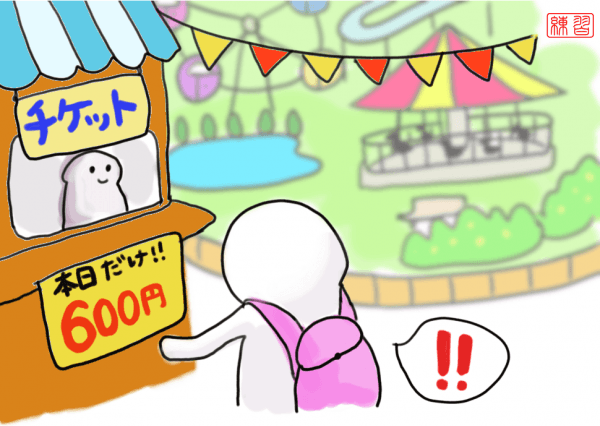
今日は600円で入れるみたいだ。
It seems like you can enter for 600 yen today.
21
彼女は歌手みたいに歌が上手い乃だ。
She's good at singing, like a (professional) singer.
0
19
此のお茶は珈琲みたいな色だね。
This tea is a coffee-like color.
2
10
インターネット中毒って、本当に有るみたいね。
There really is such a thing as Internet addiction.
0
3
映画のシナリオみたいですね。
That's something like a movie scenario.
0
4
仲間はずれになるのが私の宿命みたいだ。
It seems to be my lot to be the odd man out.
0
15
まあまあなんて細い腰なの!御顔も小さくて、本当に御人形さんみたい!
My what a narrow waist! Her face is small, she really looks just like a doll!
0
10
赤ん坊のお尻みたいに滑々だ。
It's as smooth as a baby's bottom.
0
1
ゲームを為てるうちにいつの間にか雨が降り始めたみたい。
Looks like it began to rain while I was playing a game (and I didn't notice at first).
0
3
彼女は子供みたいな声を為て居る。
She has a voice like a child.
0
35
一寸疲れが溜まって来てるみたい。
I seem to be getting a bit tired.
0
Getting the sentences
Construction
(Elements in parentheses are optional.)
Basic Examples:
足跡だったみたい (looks like footprints)
跳ぶみたいだ (appears to be jumping)
新鮮みたい (looks fresh)
楽しいみたい (looks like fun)
Related Expressions
ようだ
Where this grammar is found
Grammar usage notes
For further clarification.
みたいに is used to say that the subject "does/did do something like something". For example:
君は女の子みたいに踊るよ。"You dance like a girl!" Or
あなたはパーティーで動物みたいに食べたよ!"You ate like an animal at the party!"
While みたいな is used to say "like".
For example:
モデルみたいな女性です。"A model like girl."/ "a girl that looks like a model."
男の人みたいな女の人ですね。"A woman that looks like a man."
Although みたいな is much like みたいだ, the difference between the two is that みたいな allows you to expound on a sentence.
For instance:
あなたみたいな人がすきです。"I like people like you."
トムみたいな人はとても楽しいですよ。"People like Tom are very fun."
I hope you found this helpful!
みたいに is used to say that the subject "does/did do something like something". For example:
君は女の子みたいに踊るよ。"You dance like a girl!" Or
あなたはパーティーで動物みたいに食べたよ!"You ate like an animal at the party!"
While みたいな is used to say "like".
For example:
モデルみたいな女性です。"A model like girl."/ "a girl that looks like a model."
男の人みたいな女の人ですね。"A woman that looks like a man."
Although みたいな is much like みたいだ, the difference between the two is that みたいな allows you to expound on a sentence.
For instance:
あなたみたいな人がすきです。"I like people like you."
トムみたいな人はとても楽しいですよ。"People like Tom are very fun."
I hope you found this helpful!

According to Genki II,
みたい (な) usually follows a noun or a verb.
彼女 は モナリザ みたいです。
あの人 は 急いでいる みたいです。
For adjectives, そう is more commonly used.
おいしそうです。
元気 そうです。
We can also use
~みたい + な + Noun
~みたい + に + Verb/Adjective
みたい (な) usually follows a noun or a verb.
彼女 は モナリザ みたいです。
あの人 は 急いでいる みたいです。
For adjectives, そう is more commonly used.
おいしそうです。
元気 そうです。
We can also use
~みたい + な + Noun
~みたい + に + Verb/Adjective

~とだいたい同じ、よく似ている

Questions/Discussion
Nothing posted yet!