It should be A; it ought to be A
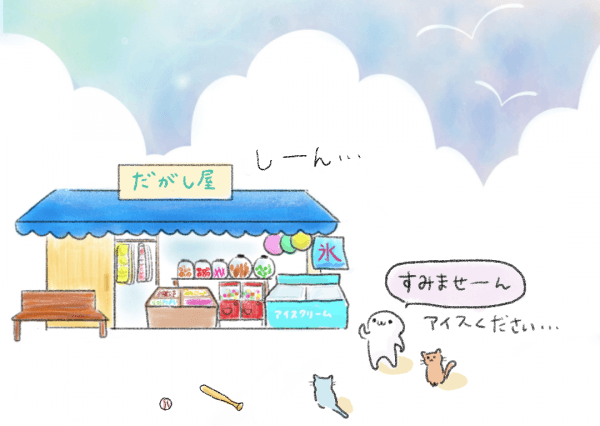
あれっ?もう開いて居る筈だけどね。
Huh? They're supposed to already be open.
25
此の最新の治療は痛くないはずだ。
The newest treatment is supposed to not hurt.
2
17
彼女は宿題を終えて仕舞った筈だ。
She ought to have finished her homework.
0
15
彼は今日の午後、電話を掛けるはずだ。
He is supposed to phone me this afternoon.
0
20
彼はもうそろそろ帰る筈だ。
He is expected to come home soon.
0
35
どんなに長い日でも終わりが有る筈だ。
Even the longest day must have an end.
0
29
40近い筈だ。
He must be nearly forty.
0
13
彼女は今頃着いて居る筈だ。
She ought to be arriving soon.
0
16
お互いもっと適した相手が居る筈だ。
There must be a better person for both of us.
1
9
此処では素敵な靴が見つかる筈です。
You ought to find nice shoes here.
0
16
此の本は良く売れる筈だ。
This book ought to be a good seller.
0
19
トムは今にも此処に来る筈です。
Tom should be here any minute.
0
Getting the sentences
Construction
(Elements in parentheses are optional.)
Basic Examples:
来るはずだ ((he) should come)
早いはずだ (should be early)
安全なはずだ (ought to be safe)
電車のはずだ (it should be a train)
Related Expressions
はずがない
Where this grammar is found
Grammar usage notes
This is more of the thought or/assuming of should
and not giving advice.
and not giving advice.

1。
機能:推量(当然)
形:普通の形+はずだ。
※ N「だ」→「の」、なA「だ」→「な」
意味:(論理的に考えると、)もちろん____だろう/____だと思う。
(もし____なかったら、変だ。でも、100%____とは言えない。)
2。
機能:推量(確信)
形:Vた+はずだ / Vた+はずのN
意味:自分は確かに____と思うのに、現実は____ではない。/自分は確かに____と思うのに、人は「____ではない」と言う。
※ 「はず」=N
3。
機能:予定の変更
形:V辞書・ない+はずだった (が/のに、~なかった/できなかった。)
意味:____予定だったが、変わった。
機能:推量(当然)
形:普通の形+はずだ。
※ N「だ」→「の」、なA「だ」→「な」
意味:(論理的に考えると、)もちろん____だろう/____だと思う。
(もし____なかったら、変だ。でも、100%____とは言えない。)
2。
機能:推量(確信)
形:Vた+はずだ / Vた+はずのN
意味:自分は確かに____と思うのに、現実は____ではない。/自分は確かに____と思うのに、人は「____ではない」と言う。
※ 「はず」=N
3。
機能:予定の変更
形:V辞書・ない+はずだった (が/のに、~なかった/できなかった。)
意味:____予定だったが、変わった。

Questions/Discussion
Where does はず go in a phrase ? Is there a rule ?

if you look at the grammar page for はず you can see it, but the construction goes like this;
Verb (casual) + はず
い adjective + はず
な adjective (leaving in the な) + はず
Noun (adding in a の) + はず
Verb (casual) + はず
い adjective + はず
な adjective (leaving in the な) + はず
Noun (adding in a の) + はず

It looks like it's supposed to go right after the verb that "should" have happened. "Should have been done" = 「やったはず(の物…」

As per the construction rules in はず. But typically, it comes at the end of the sentence followed by だ or です


