和英辞典Vocabulary dictionary

漢字辞典 Kanji dictionary

文法辞典 Grammar dictionary

例文検索 Sentence lookup

test


Be about to A; Try to A
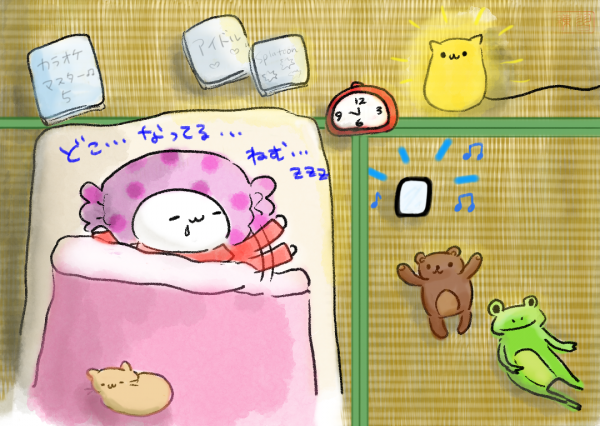
寝ねよ う と 為した が 、 ス マ ホ が 鳴なっ た 。 
I tried to go to sleep, but the smartphone rang.
60
先 生 の 問 い に 答 え よ う と 為 た け ど 、 急 に 恥 ず か し く 成 っ て 何 も 言 え ま せ ん で し た 。 
I was about to answer the teacher's question, but I suddenly got embarrassed and couldn't say anything.
0
33
お 風 呂 に 入 ろ う と 為 た け ど 、 急 に 友 達 が 来 た の で 入 れ な か っ た 。 
I was about to take a bath, but my friends suddenly came over so I couldn't.
0
31
其 の 小 さ な 犬 は 逃 げ よ う と 為 ま し た 。 
The small dog tried to get away.
0
20
ジェーン は 正 に 家 か ら 出 よ う と 為 て 居 た 。 
Jane was about to leave the house.
0
20
貴方 は 何 を 為 よ う と 為 て 居 る の で す か 。 
What are you trying to do?
0
10
母 は そ ろ そ ろ 寝 よ う と 為 て 居 る 。 
Mom is about to go to sleep.
0
14
彼 は 会 社 を 辞 め よ う と 為 て 居 る 乃 だ 。 
He is about to leave the company.
0
6
私 は 正 に 家 を 出 よ う と 為 て 居 た 。 
I was about to leave my house.
0

Getting the sentences
Construction
(Elements in parentheses are optional.)
AVerb: Volitional
と
する
Basic Examples:
電話を掛けようと為る (be about to phone (someone))

Related Expressions
V-ようとしている
Where this grammar is found


Grammar usage notes

the nuance of this grammar is that the speaker tried/try to do but is not successful
59
0
avatar
shirothekiller
Level: 1
2
0
avatar
cream00
Level: 335
cố gắng làm gì đó (ý chí sắp làm).
2
0
avatar
chikarasan
Level: 171
I think this grammar point should really have two entries, one for "try to A" and one for "be about to A"

The meaning "be about to" seems to usually take the form ~ようとしている.

~ようとする is (according to DBJG p.246) similar to ~てみる meaning "to try to"; "to attempt to". But in the past tense, they are quite different. ~ようとした implies an attempt was made but was unsuccessful. ~てみた implies the subject actually experienced what they sought to do.
25
0
avatar
SkyLynx
Level: 157
使い方:
① やってみる、試す
② ~する直前
③ 全然~する気持ちがない (Can't use on yourself, 私 ×)
1
0
avatar
リンク・リンク
Level: 1512
使う方法には二つあります。

1。

機能:時(直前)

形:V(意志)+としたら、___た。

意味:(私が)__する直前に、何かが起きて、できなくなった。

※ 自分がしたいこと

2。

機能:努力が無駄になる

形:V(意志)+としたが・としても、___た。

意味:(私は)__しようと思って頑張ったが、__できなかった。

※ 自分がしたいこと
1
0
avatar
猛眼
Level: 1645

Questions/Discussion

Nothing posted yet!

Discussion about this grammar
This section has been archived, and no new posts can be added. Please use the discussion form(s) above.
avatar
Diamondrock
Level: 1
Mysteriously enough, the main grammar page shows that this grammar point has a model sentence, but it's not actually found on this page.
0
17 years ago
avatar
マイコー
Level: 346
Fixed!
0
17 years ago
avatar
宮本勝利
Level: 1
For some reason, the title of this thread is popping up as ようと為る.

Edit: I just looked it up in my dictionary, and apparently the verb する really does have this kanji, but I have never seen it used even in literature.
1
17 years ago
avatar
マイコー
Level: 346
Yea - I knew a few kanji like this were going to show up. Fixed this term (する), but let me know if you see it happening with other pages. Thanks!
1
17 years ago
avatar
秋子ちゃん
Level: 1
Is this used most often in the past tense, as in "was about to"? In contrast with ところ that is.
2
16 years ago
avatar
dajkalaszlo20
Level: 1
Nice site! Thank you for making it possible:) I have just came across this grammar in a sentence in a novel by Yoshimoto Banana. But I cannot get the sense of this structure with the verb 思う. The sentence is like the following 'だからこれは酔って見ている悪夢の続きだと思おうとした。' Can I translate it literally? Like "I tried/was about to think about..." or "I was about to think that..."?
0
12 years ago
avatar
マイコー
Level: 346
That would be my guess, but I imagine it might become a bit easier to decipher with the following sentences. If the subject was about to think something like you're guessing, I'd think something might come up next that would make them think otherwise.
0
12 years ago
avatar
Dabas
Level: 17
What is the difference between ようにする and ようとする? They both seem to mean "try to A", but I do not understand the difference
1
9 years ago
avatar
マイコー
Level: 346
ようとする focuses on the timing aspect, that is, something is about to happen. Often used to contrast it with something that starts afterwards (and stops whatever action was going to take place).
0
9 years ago
avatar
VorpalPlayer
Level: 1898
Pet peeve here. This よう reads the same as ようになる. However, it's not よう, it's the Volitional Form of the verb. The way the definition is presented is confusing, and I keep missing these grammar questions because I am looking for よう, not the volitional form.
5
9 years ago
avatar
Posad
Level: 1

Re-upping on what VorpalPlayer said, this should really be marked as とする or maybe V-とする. Too easily confused with the actual use of よう.

2
7 years ago
avatar
マイコー
Level: 346

I must have missed that when it was first posted! Just updated the name on the page. Thanks for pointing it out.

1
7 years ago
avatar
|マルコ|
Level: 110

can I suggest changing the "(About to) try to A" part of the meaning into "try to A" ?
The reason being that the "Be about to A;" meaning already shows that usage so the "(About to)" in parenthesis in the second meaning seems redundant, and also the example sentence below in which "tried to" fits better than "about to try to"

ゴミ、捨てようと為たけど、塵箱が一杯だったよ。
I tried to throw away the trash, but the trash can was full.

1
5 years ago
avatar
マイコー
Level: 346

Done!

1
5 years ago
avatar
stupidguy
Level: 185

related grammar:

ようとしている "Shows change/movement A is about to start/end" https://www.renshuu.org/grammar/674/ようとしている

0
4 years ago
avatar
野良犬
Level: 109

I must have missed that when it was first posted! Just updated the name on the page. Thanks for pointing it out.

It still reads as "V-ようとする" for me, shouldn't it be "V-とする" or "V(vol.)-とする"? I get very confused by this (maybe it's just me), but I've known this expression for years and now I keep using it wrongly, because I keep thinking I should be using よう : /

0
2 years ago
avatar
マイコー
Level: 346

My hope (not everyone is going to know "vol", but I am pretty sure that using the conjugation as a suffix (ます、ない、よう) is at least somewhat common on other sites as well.

0
2 years ago
avatar
emanresU
Level: 389

Why is this on the quiz for the lesson on ようにする and ようになる? I don't think this usage showed up in that lesson

(Edit: it seems like this one and ようにする got mixed up, since that shows up after the lesson on this one)

0
1 year ago


Loading the list
Lv.

Sorry, there was an error on renshuu! If it's OK, please describe what you were doing. This will help us fix the issue.

Characters to show:


Use your mouse or finger to write characters in the box.
■ Katakana ■ Hiragana