Marks the end of the non-exhaustive list A
List A only gives a few of a longer list; these terms are often separated by a comma or や.
- Marks the end of the non-exhaustive list A List A only gives a few of a longer list; these terms are often separated by a comma or や.
- Things like A; for example A
- Used to emphasize negative B B can be things such as a negative adjective (きらい), or a verb (できない、いらない, etc).
- How A; What A Shows a very strong feeling A about something.
- Shows a strong emotion or feeling about A This phrase is often followed by words B such as 信じられない、ひどい、本当?、うらやましい、びっくり
- What (did) A Often used with verbs: いう (What did .. say), 書く (What did .. write);
- What is the name of A
48
2、4、6などは偶数です。
Two, four, six, etc. are even numbers.
0
33
人は洪水や火災などの災害を恐れる。
Man fears disasters such as floods and fires.
0
33
此の店は食料品、例えばバター、チーズ、砂糖などを売って居る。
The store sells foodstuffs, such as butter, cheese, and sugar.
0
3
其のホテルにはプールやテニスコートなどが有る。
The hotel has a swimming pool, tennis courts and the like.
0
11
其の船には石炭や材木などが積まれて居た。
The vessel was loaded with coal, lumber, and so on.
4
12
螺子、梃子、楔、滑車などは単一機械と呼ばれる。
The screw, the lever, the wedge, the pulley, etc. are called simple machines.
0
16
国籍や性別又は職業などで人を差別為ては行けない。
Don't discriminate against people based on nationality, gender, or occupation.
0
12
私はノート、ペンなどが必要だ。
I need pens, notebooks and so on.
0
17
私は数学や化学などが好きです。
I like mathematics, chemistry and the like.
0
15
彼は私に年齢、名前、住所などを尋ねた。
He asked me my age, my name, my address, and so forth.
0
3
彼は風邪でも薬など飲まない。
He never takes medicine for his cold.
0
2
此れ等の楽器は、空き缶や牛乳パックなど、全て要らなく成った物で作られて居ます。
These musical instruments are made entirely from unneeded things such as empty cans and milk cartons.
0
5
コンピューターの仕事から金融、会計などの仕事に転向為ることは可能である。
It's possible to branch out from computing (jobs) to jobs in banking, accounting, and so on.
0
5
而してそれ等は其の文学、映画、音楽などの感動を通して世界に影響を与え続けるだろう。
And they will continue to influence the world through the excitement of their literature, movies and music.
0
6
ミーティングやスケジュールなどの詳細に就いては、直接、私に御問い合わせ下さい。
Please feel free to contact me for details about the meeting or the schedule.
0
Getting the sentences
Construction
(Elements in parentheses are optional.)
Basic Examples:
パンや牛乳等 (bread, milk etc.)
Where this grammar is found
Grammar usage notes
You will often see など written in kanji as 等。

Questions/Discussion

Things like A; for example A
- Marks the end of the non-exhaustive list A List A only gives a few of a longer list; these terms are often separated by a comma or や.
- Things like A; for example A
- Used to emphasize negative B B can be things such as a negative adjective (きらい), or a verb (できない、いらない, etc).
- How A; What A Shows a very strong feeling A about something.
- Shows a strong emotion or feeling about A This phrase is often followed by words B such as 信じられない、ひどい、本当?、うらやましい、びっくり
- What (did) A Often used with verbs: いう (What did .. say), 書く (What did .. write);
- What is the name of A
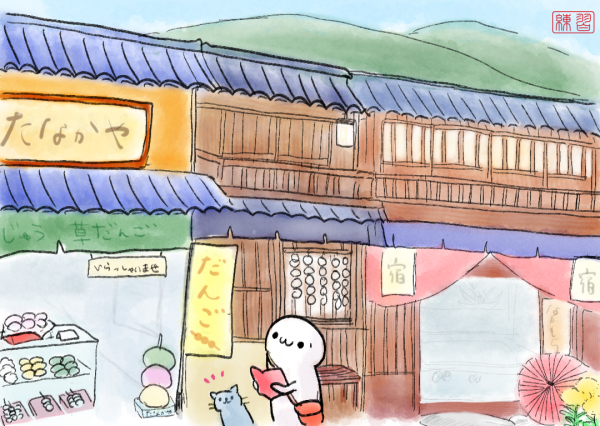
此の店は団子などが有名です。
This store's dangos and other things are famous.
22
こんな料理など、食べたくないわ。
I don't want to eat something like this.
0
13
彼女のことなど、もう思い出したくない乃だ。
I don't want to think about anything to do with her.
0
Getting the sentences
Construction
(Elements in parentheses are optional.)
Basic Examples:
君何て嫌い (I hate people like you)
Related Expressions
ようだ
Where this grammar is found
Grammar usage notes
なんか is often used in place of など in colloquial speech.
君のことなどもう知らない。"I don't care anymore about you (someone like you)"
(thanks to 奈落の花 for this sentence)
なんて can also be used in place of など, it's often used when you're upset, angry, or surprised.
Sentences from mireille:
あなたなんかきらい。もう来ないで。
20枚のレポートを1日で書いたなんて、すごいねえ。私なんか3枚のレポートも書けない。
彼女、大人っぽいね。まだ15歳だなんて信じられないよ。
君のことなどもう知らない。"I don't care anymore about you (someone like you)"
(thanks to 奈落の花 for this sentence)
なんて can also be used in place of など, it's often used when you're upset, angry, or surprised.
Sentences from mireille:
あなたなんかきらい。もう来ないで。
20枚のレポートを1日で書いたなんて、すごいねえ。私なんか3枚のレポートも書けない。
彼女、大人っぽいね。まだ15歳だなんて信じられないよ。

this form of など・なんて・なんか is most commonly used in negative expressions

Questions/Discussion
So as per my understanding, なんか、なんて、など all mean the same things but など is a bit more polite whereas the other two are casual? And in terms of tone なんか & なんて often carry a dismissive/negative tone whereas など carries a neutral/somewhat positive tone; just not like the tone both なんか & なんて carry?

Used to emphasize negative B
B can be things such as a negative adjective (きらい), or a verb (できない、いらない, etc).
- Marks the end of the non-exhaustive list A List A only gives a few of a longer list; these terms are often separated by a comma or や.
- Things like A; for example A
- Used to emphasize negative B B can be things such as a negative adjective (きらい), or a verb (できない、いらない, etc).
- How A; What A Shows a very strong feeling A about something.
- Shows a strong emotion or feeling about A This phrase is often followed by words B such as 信じられない、ひどい、本当?、うらやましい、びっくり
- What (did) A Often used with verbs: いう (What did .. say), 書く (What did .. write);
- What is the name of A
31
こんな服なんか嫌だよ。
I don't like clothes like this.
0
17
彼女の意見なんて信用できないよ。
I just can't trust her opinion.
0
3
僕なんかじゃ出来っこないよ。
There's no way someone like me could do it.
2
Getting the sentences
Construction
(Elements in parentheses are optional.)
Basic Examples:
気取ってる人等嫌い (I hate stuck-up people)
汚染で何て気持ち悪い (dirty places are disgusting)
走る何て疲れちゃう (running is just exhausting)
安い何て要らない ((I) don't need anything cheap)
Notes
なんて and なんか can replace など in casual speech.
Where this grammar is found


How A; What A
Shows a very strong feeling A about something.
- Marks the end of the non-exhaustive list A List A only gives a few of a longer list; these terms are often separated by a comma or や.
- Things like A; for example A
- Used to emphasize negative B B can be things such as a negative adjective (きらい), or a verb (できない、いらない, etc).
- How A; What A Shows a very strong feeling A about something.
- Shows a strong emotion or feeling about A This phrase is often followed by words B such as 信じられない、ひどい、本当?、うらやましい、びっくり
- What (did) A Often used with verbs: いう (What did .. say), 書く (What did .. write);
- What is the name of A
9
なんて美しい景色でしょう。
What beautiful scenery.
0
3
なんと彼は愚かな人だ。
What a foolish person he is.
0
Getting the sentences
Construction
(Elements in parentheses are optional.)
Basic Examples:
何て懐かしい (how nostalgic)
Where this grammar is found
Grammar usage notes
Nothing posted yet!
Questions/Discussion
Nothing posted yet!
Shows a strong emotion or feeling about A
This phrase is often followed by words B such as 信じられない、ひどい、本当?、うらやましい、びっくり
- Marks the end of the non-exhaustive list A List A only gives a few of a longer list; these terms are often separated by a comma or や.
- Things like A; for example A
- Used to emphasize negative B B can be things such as a negative adjective (きらい), or a verb (できない、いらない, etc).
- How A; What A Shows a very strong feeling A about something.
- Shows a strong emotion or feeling about A This phrase is often followed by words B such as 信じられない、ひどい、本当?、うらやましい、びっくり
- What (did) A Often used with verbs: いう (What did .. say), 書く (What did .. write);
- What is the name of A
5
彼に限って裏切りなど有るものか。
There's just no way he could betray me.
0
5
選りによって退学処分なんて。
Of all things, to be expelled from school!
0
12
タバコなんか、煙いだけじゃん!
Tobacco is like, just so smoky!
2
Getting the sentences
Construction
(Elements in parentheses are optional.)
Basic Examples:
嘘為る何て信じられない (can't believe (they) would lie)
Where this grammar is found
Grammar usage notes
なんて can be used to express criticism or display surprise.
彼は医者になるなんて信じられない。魚も料理できないのに。I can't believe the fact of him becoming a doctor. He can't even cook fish.
こんなに歌がうまいなんて知られなかった。
I had no idea you can sing so well!
Conversational use.
彼は医者になるなんて信じられない。魚も料理できないのに。I can't believe the fact of him becoming a doctor. He can't even cook fish.
こんなに歌がうまいなんて知られなかった。
I had no idea you can sing so well!
Conversational use.
The version だなんて follows a quoted statement to mark the speaker’s strong reaction to it, often disbelief or rejection, but sometimes sheer surprise. You can use it even where だ wouldn’t ordinarily be grammatical.

機能:強調
形:文なんて____。
意味:__と信じられない/思わなかった/言えない/言わない・・・。
形:文なんて____。
意味:__と信じられない/思わなかった/言えない/言わない・・・。
Questions/Discussion
Nothing posted yet!
What (did) A
Often used with verbs: いう (What did .. say), 書く (What did .. write);
- Marks the end of the non-exhaustive list A List A only gives a few of a longer list; these terms are often separated by a comma or や.
- Things like A; for example A
- Used to emphasize negative B B can be things such as a negative adjective (きらい), or a verb (できない、いらない, etc).
- How A; What A Shows a very strong feeling A about something.
- Shows a strong emotion or feeling about A This phrase is often followed by words B such as 信じられない、ひどい、本当?、うらやましい、びっくり
- What (did) A Often used with verbs: いう (What did .. say), 書く (What did .. write);
- What is the name of A
10
今なんて言ったの?
What did you just say?
0
1
此の漢字はなんて書いて有るの?
What do these kanji say?
0
Getting the sentences
Construction
(Elements in parentheses are optional.)
Basic Examples:
何て言う (what did (someone) say)
Where this grammar is found
Grammar usage notes
Nothing posted yet!
Questions/Discussion
Nothing posted yet!
What is the name of A
- Marks the end of the non-exhaustive list A List A only gives a few of a longer list; these terms are often separated by a comma or や.
- Things like A; for example A
- Used to emphasize negative B B can be things such as a negative adjective (きらい), or a verb (できない、いらない, etc).
- How A; What A Shows a very strong feeling A about something.
- Shows a strong emotion or feeling about A This phrase is often followed by words B such as 信じられない、ひどい、本当?、うらやましい、びっくり
- What (did) A Often used with verbs: いう (What did .. say), 書く (What did .. write);
- What is the name of A
5
此の花はなんていう名前ですか?
What's the name of this flower?
0
3
あの人の名前はなんて言う乃だっけ。
What again is the name of that person?
0
Getting the sentences
Construction
(Elements in parentheses are optional.)
Basic Examples:
何て言う犬? (What's the dog's name)
Where this grammar is found
Grammar usage notes
Nothing posted yet!
Questions/Discussion
Nothing posted yet!


