和英辞典Vocabulary dictionary

漢字辞典 Kanji dictionary

文法辞典 Grammar dictionary

例文検索 Sentence lookup

test


As many/much as A
  1. As many/much as A
  2. Also A; A as well
  3. Nothing/no one/nobody (A)
    A is the question term such as nothing, no one, nowhere, etc (だれ+も = no one, なに+も = nothing). This is followed by a negative statement B that links to A
  4. Even [T], not even A
    The negative form (not even) can be identified when the verb following the も is in the negative form.
  5. Neither A nor B
    A and B are generally opposites (hot/cold, easy/hard, etc.)
25
私 の お 祖父 さ ん は 、 犬 を 4 匹 も 飼 っ て 居 る 。 
My grandfather has four dogs.
0
17
此 の 短 い 報 告 書 を 書 く の に 3日 も 掛 か っ た 。 
It took three whole days to write this short report.
0
13
北 海 道 は 東 京 都 の 何 倍 も 大 き い で す 。 
Hokkaido is many times larger than the Tokyo area.
0
12
何 で ラ ジ オ を 3 台 も 持 っ て 居 る の ? 
Why do you have three radios?
0
19
こ ん な に も 宿 題 が 有 っ て 、 ど う し た ら い い 乃 だ 。 
I have so much homework, what should I do.
0
30
バ ス を 30 分 も 待 ち ま し た 。 
I waited for the bus for 30 minutes.
2
3
彼 は 私 の 4 倍 も 本 を 持 っ て 居 る 。 
He has four times as many books as I do.
0
8
彼 は 切手 を 500 枚 も 集 め た 。 
He has collected no fewer than five hundred stamps.
0
5
彼 女 は 七 人 も 子 供 が 居 る 。 
She has as many as seven children.
0

Getting the sentences
Construction
(Elements in parentheses are optional.)
ANoun (number/counter)
も
Basic Examples:
十回も (as many as ten times)

Notes
When も is added, this emphasizes that the number/amount is above normal.
Where this grammar is found


Grammar usage notes

with a negative verb it can mean as little as.
21
0
avatar
shirothekiller
Level: 1

Questions/Discussion

Nothing posted yet!
 
Also A; A as well
  1. As many/much as A
  2. Also A; A as well
  3. Nothing/no one/nobody (A)
    A is the question term such as nothing, no one, nowhere, etc (だれ+も = no one, なに+も = nothing). This is followed by a negative statement B that links to A
  4. Even [T], not even A
    The negative form (not even) can be identified when the verb following the も is in the negative form.
  5. Neither A nor B
    A and B are generally opposites (hot/cold, easy/hard, etc.)
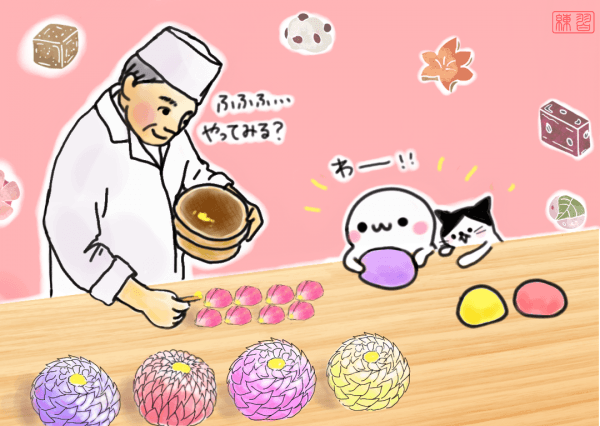
私わたしも 作つくり た い で す ! 
I want to make it, too!
15
彼 女 と 彼 も 今 夜 の パ ー テ ィ ー に 来 る そ う で す 。 
I heard that she and he will also be coming to the party tonight.
0
27
ケ ー キ を 食 べ た け ど 、 ド ー ナ ツ も 食 べ た い な 。 
I've already eaten cake, but I want to eat donuts, too.
0
17
3 年 前 も 、 彼 ら は 布哇 に 行 き ま し た 。 
They also went to Hawaii three years ago.
0
39
私 は 猫 も 犬 も 沢 山 飼 い た い ! 
I want to have lots of both cats and dogs (as pets)!
0
25
屹 度 彼 も 同 じ 様 に 思 っ た で し ょ う 。 
Surely he too felt the same way.
0
1
彼 は 待 ち ま す 。 彼 女 も 待 ち ま す 。 
He waits. She waits, too.
0
3
母 は 荷 物 を 送 り ま す 。 手 紙 も 送 り ま す 。 
Mom sends a package. She sends a letter, too.
0
2
会 社 で 働 き ま す 。 家 で も 働 き ま す 。 
I work at the company. I work at home, too.
0
19
到 頭 我 が 社 も 破 産 だ 。 
In the end, our company (too) is bankrupt.
0
16
此 の 建物 も 又 銀 行 で す 。 
This building also is a bank.
1
8
貴方 も そ う 思 わ な い ? 
Don't you, too, think so?
0
7
其 の 寺 へ も 行 っ た 。 
We also went to the temple.
0
6
レ ン タ カ ー の 予 約 も お 願 い し ま す 。 
I would also like to rent a car.
0
12
今日 も 眠 い 。 
I'm sleepy today, too.
0
12
彼 は 今日 も 帰 り が 遅 い 。 
He is also returning late today.
0
1
彼 は 水 泳 が 達 者 で テ ニ ス も 上手 い 。 
He is a good swimmer and also plays tennis well.
0
8
其 の 映 画 を 見 て 、 DVD も 買 い ま し た 。 
I've seen that movie and I bought the DVD too.
0
8
私 も 又 、 議 員 の 一人 で す 。 
I'm a councillor, too.
0
4
「 私 は 其 の 劇 を 見 た こと が あります 」 「 私 も 有 り ま す 」 
"I've seen that play." "So have I."
0

Getting the sentences
Construction
(Elements in parentheses are optional.)
ANoun
も
Basic Examples:
私も (me too)

Where this grammar is found


Grammar usage notes

も replaces subject/topic and object particles. (は、が、を)

野菜 を食べない。
果物 も食べない。
(From Genki I)
13
0
avatar
スーンです
Level: 374

Questions/Discussion

Would I be able to use this to replace に? As in 「私は土曜日にテレビゲームをしました。私は日曜日もテレビゲームをしました。」for "On Saturday I played videogames. I played videogames on Sunday as well."
2
0
avatar
 
Nothing/no one/nobody (A)
A is the question term such as nothing, no one, nowhere, etc (だれ+も = no one, なに+も = nothing). This is followed by a negative statement B that links to A
  1. As many/much as A
  2. Also A; A as well
  3. Nothing/no one/nobody (A)
    A is the question term such as nothing, no one, nowhere, etc (だれ+も = no one, なに+も = nothing). This is followed by a negative statement B that links to A
  4. Even [T], not even A
    The negative form (not even) can be identified when the verb following the も is in the negative form.
  5. Neither A nor B
    A and B are generally opposites (hot/cold, easy/hard, etc.)
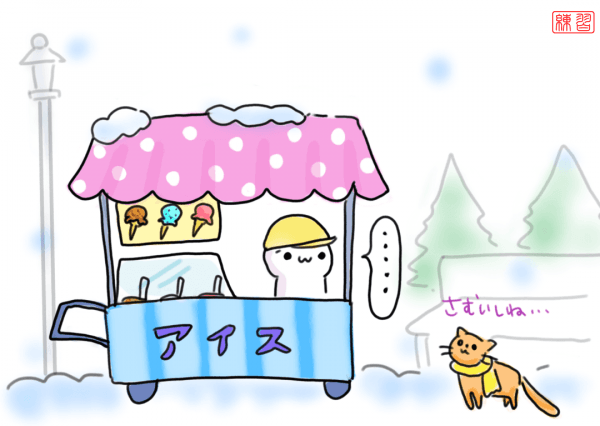
雪ゆきが 降ふっ た か ら 誰だれも 来こな か っ た 。 
It snowed so no one came.
18
何 事 も な く 、 無 事 に 戻 り ま し た 。 
I (they) returned safely without incident.
0
17
御 店 に 入 っ た が 、 誰 も 居 な か っ た 。 
We entered the store, but no one was there.
0
15
今 は 何 も 食 べ た く な い ん で す 。 
I don't want to eat anything now.
0
14
探 し て 居 る 本 が 何処 に も な い 。 
The book I'm looking for is nowhere (to be found).
0
11
君 に し て 欲 し い こと は 、 何 も な い 。 
There is nothing I want you to do.
0
-3
ダ イ エ ッ ト と は い え 、 何 も 食 べ な い の は 体 に 良 く な い 。 
You say you're on a diet, but eating nothing is not good for your health.
0
18
生憎 周 囲 に 誰 も 居 な か っ た 。 
Unfortunately there was no one around.
0
11
貴方 を 待 つ 以 外 に 為 る こと は 何 も 無 い 。 
I don't have anything else to do but wait for you.
0
22
此 の 条 件 に 該 当 為 る 人 は 誰 も 居 な い 。 
There is nobody who fulfils these conditions.
0
11
其 の 事 実 は 誰 に も 否 定 出 来 な い 。 
No one can deny the fact.
2
7
其 の 箱 に は 何 も 有 り ま せ ん で し た 。 
There was nothing in the box.
0

Getting the sentences
Construction
(Elements in parentheses are optional.)
AQuestion word
も
BNegative statement
Basic Examples:
誰も居ない (no one)

Where this grammar is found


Grammar usage notes

Nowhere is not どこも; it is usually paired with the particles に or で (depending on the verb that follows).
ボールはどこでも見つからない - I can't find the ball anywhere.
おとうとはどこにもいない! - My brother isn't anywhere!
55
0
avatar
マイコー
Level: 346
You can omit particles が, を, and へ, but not the others.
どこ (へ) も 行きたくない。
vs
誰 と も 行きたくない。
(From Try! JLPT N5)
3
0
avatar
スーンです
Level: 374

Questions/Discussion

Nothing posted yet!
 
Even [T], not even A
The negative form (not even) can be identified when the verb following the も is in the negative form.
  1. As many/much as A
  2. Also A; A as well
  3. Nothing/no one/nobody (A)
    A is the question term such as nothing, no one, nowhere, etc (だれ+も = no one, なに+も = nothing). This is followed by a negative statement B that links to A
  4. Even [T], not even A
    The negative form (not even) can be identified when the verb following the も is in the negative form.
  5. Neither A nor B
    A and B are generally opposites (hot/cold, easy/hard, etc.)
21
高 田 君 は 歌 だ け で な く 絵 も 上 手 で 、 皆 驚 き ま し た 。 
Everyone was surprised because Takada is good at not just singing but drawing as well.
0
21
彼 は 運 動 が 苦 手 で 、 歩 く の も 嫌 が り ま す 。 
He's not one for exercise, and he doesn't like walking either.
0
18
私 の 祖 父 は 携 帯 も 殆 ど 使 え な い 。 
My grandfather can hardly even use a cell phone.
0

Getting the sentences
Construction
(Elements in parentheses are optional.)
ANoun
も
Basic Examples:
日本人も (even a Japanese person)

ANoun phrase
も
Basic Examples:
行く時も (even when (one) goes)

AVerb: Stem
も
しない
Basic Examples:
歩きも為ない (won't even walk)

Where this grammar is found


Grammar usage notes

With する verbs, treat it like a noun:
勉強する ー> 勉強もしない
掃除する ー> 掃除もしない
14
0
avatar
emmy
Level: 3

Questions/Discussion

あの 国にも食物はあまり ありません 。

Why wouldn’t this work?
5
0
avatar
速水良
Level: 100
That feels *ok* to me, but my mind is telling me that が would sound better than は.
5
0
avatar
マイコー
Level: 346
 
Neither A nor B
A and B are generally opposites (hot/cold, easy/hard, etc.)
  1. As many/much as A
  2. Also A; A as well
  3. Nothing/no one/nobody (A)
    A is the question term such as nothing, no one, nowhere, etc (だれ+も = no one, なに+も = nothing). This is followed by a negative statement B that links to A
  4. Even [T], not even A
    The negative form (not even) can be identified when the verb following the も is in the negative form.
  5. Neither A nor B
    A and B are generally opposites (hot/cold, easy/hard, etc.)
20
彼 も 此 れ も 全 部 要 ら な い 。 
I need neither this, that, nor anything.
0
2
私 は 珈琲 も お 茶 も 好 き じ ゃ な い 。 
I like neither coffee nor tea.
0

Getting the sentences
Construction
(Elements in parentheses are optional.)
Aい-adjective
-い
く
て
も
Bい-adjective
-い
く
て
も
ない
Basic Examples:
大きくても小さくても無い (neither big nor small)

Aな-adjective
も
Bな-adjective
も
ない
Basic Examples:
単純でも複雑でも無い (Neither simple nor complicated)

ANoun
も
BNoun
も
ない
Basic Examples:
日本も亜米利加も無い (neither Japan nor the US)

AVerb: Stem
も
BVerb: Stem
も
しない
Basic Examples:
行きも来も為ない (neither coming nor going)

Where this grammar is found


Grammar usage notes

Nothing posted yet!

Questions/Discussion

Nothing posted yet!

Discussion about this grammar
This section has been archived, and no new posts can be added. Please use the discussion form(s) above.
avatar
mysticfive
Level: 2440
if you use a question word it can also be used as no- (何も-nothing 誰も-no one)
0
17 years ago
avatar
マイコー
Level: 346
I added this meaning and one more ('too'). Take a look at it for me and let me know if you think it's clear enough.
1
17 years ago
avatar
shirothekiller
Level: 1
the example sentence for adding も to question words is using the wrong verb, it should be いない not ない.
1
15 years ago
avatar
マイコー
Level: 346
Fixed!
0
15 years ago
avatar
Level:
Hmmm, can't 「も」 also simply mean [even]? I think that's where some of the other expressions that incorporate 「も」 (and for which grammar pages already exist) come from, for example: そこまでしなくて[color=blue]も[/color]いい。 [i][color=blue]Even[/color] if you don't do it until there, it's OK.[/i] [b]You don't have to go that far.[/b] これを使って[color=blue]も[/color]いい? [i][color=blue]Even[/color] if I use this, is it ok?[/i] [b]May I use this?[/b] But then, of course, it can be used by itself, following nouns and such: 彼女はお茶の一杯[color=blue]も[/color]出そうとしなかった。 [b]She didn't [/b][color=blue][b]even[/b][/color] [b]offer me a cup of tea.[/b] I think that this [even] meaning of 「も」 is the key to understanding the particle's use in sentences like this one: いままで見たこと[color=blue]も[/color]ないようなとっても大きな大きな蕪です。 [b]It is a gigantic turnip the likes of which he had never [color=blue]even[/color] seen before.[/b] Now, in English you can leave the word [even] out of the above sentence, because all it is doing is adding emphasis. Similarly, I think that you could have said 「見たこと[color=blue]が[/color]ない」 in the Japanese version, and the overall meaning wouldn't have really changed. 「も」 is just acting as an emphasis particle in this case, just as [even] is. What do you think?
4
15 years ago
avatar
マイコー
Level: 346
I swear that I added this somewhere, let me look into it.
0
15 years ago
avatar
マイコー
Level: 346
This covers the first two examples: http://www.renshuu.org/index.php?page=grammar/individual&id=107
0
15 years ago
avatar
Level:
Right, I was looking at that page earlier. Sorry, I guess I wasn't clear enough - those first two examples already have grammar pages. I was just using them to demonstrate the general [even] meaning of 「も」. The issue I'm wondering about is when [も」 directly follows a noun (or something other than an inflected verb - see the example below). Do you think it deserves a usage on this page? It's pretty common, from what I've been seeing. Here's another example I saw just today on Lang-8, both versions written by a native speaker: 彼はマンガが好きなのか[color=blue]も[/color]分かっていない! He still doesn’t [color=blue]even[/color] know whether he likes manga or not. I think it's important that we supply this general meaning for 「も」 here, so that if a user reads a sentence like this, then comes to this page to check out what 「も」 could mean in this situation, they won't be confused into trying to reckon one of the extant meanings to somehow fit. I only say this because I did just that, which prompted me to look further into it and post about it.
1
15 years ago
avatar
マイコー
Level: 346
Ok, I definitely feel like it could belong on the page. Definition: (not) even [A] Usage structure: [N] も, [Noun clause] も, [Verb stem] も しない What do you think? Edit: note that the 'not' version is brought out when followed by a negative verb/statement.
2
15 years ago
avatar
Level:
Looks great to me! I appreciate you looking into it and pondering over it.
0
15 years ago
avatar
マイコー
Level: 346
Added
0
15 years ago
avatar
sooo im guessing the first one is no diffrent from ても/でも?
0
14 years ago
avatar
できるだけ
Level: 28
Bit different in terms of usage, actually. ても/でも is used with verbs, generally in the sense of "even if": 雨が降っても行きます。 I'll go even if it rains. でも also appears after nouns and な-adjectives with the same usage, as a form of だ. 学生でもできる仕事 work even a student can do And でも can also be used when making suggestions or invitations to show that you'd be open to other alternatives: お茶でも飲む? Want some tea (or something else to drink?) The first usage of も here is used to show extent, and it implies you think doing something to that degree is surprising. 6時間も勉強したの? You studied for six (whole) hours?! も isn't used in either the gentle suggestion or the "even if" sense.
4
14 years ago
avatar
ahhhh~! thanks :)
0
14 years ago
avatar
テリフン
Level: 1
When using も, can't you also create the meaning of anything, anywhere, and anyone? Such as 何もいいよ: Anything is good. Isn't this why the company DoCoMo chose their name, meaning anywhere?
0
14 years ago
avatar
マイコー
Level: 346
It usually includes the で particle (the most common usages), so it is listed on a separate page here: http://www.renshuu.org/index.php?page=grammar/individual&id=122
1
14 years ago
avatar
テリフン
Level: 1
Thank you! :]
0
14 years ago
avatar
ターラ
Level: 39
I'm also studying on Duolingo, where they have an example sentence:はやくもおそくもないです。They translate it as 'it is neither fast nor slow', so I came looking here for this usage of も as neither, but I don't see it.  Am I looking in the wrong place?
0
8 years ago
avatar
マイコー
Level: 346
Alright - so this is not on here yet, but I'll add it! Please check now.
1
8 years ago
avatar
gdartfow
Level: 2375
My copy of Bunkei Jiten also specifies its use with nouns and verbs, as well skipping で for な-adjectives. For example:
左も右もない - neither left nor right.
笑いも泣きもしない - neither laugh nor cry.
利口も愚かもない - neither clever nor foolish.
2
8 years ago
avatar
マイコー
Level: 346
Thanks!
1
8 years ago
avatar
ターラ
Level: 39
Ah, this is much clearer to me now, cheers!
0
8 years ago
avatar
mysticfive
Level: 2440
under the last/newest usage, you can also use ~くて for い adjectives - like 寒くても暑くてもない
1
8 years ago
avatar
マイコー
Level: 346
Added! It split up the display for the usages for some reason, but ...don't have time to look at it now!
0
8 years ago
avatar
stupidguy
Level: 185

The second usage, "Also A; A as well", includes in its construction a verb's dictionary form + も.

None of my other resources mentioned verbs in their relevant entry, so I'm trying to figure this out.

The examples I see don't use dictionary form but verb stem.

Is the construction meant to say Vstem + も?

.

An example under verified sentences from Natsu:

> 私は生まれも育ちもロンドンです。
> I was born and brought up in London.

.

There's another example provided in discussion from gdartflow as follows:

> 笑いも泣きもしない - neither laugh nor cry.

Correction: the above example matches usage 5.

0
4 years ago
avatar
stupidguy
Level: 185

I found a match for Vstem + も when I bumped it up to intermediate and allowed grammar entries for ~も~も.

.

This entry has a match for a singular use of も:

Dictionary of Intermediate Japanese Grammar p.179-183 (uses stem)

.

If usage 2 somehow got an incomplete affirmative version of usage 5 here, then these would be the relevant pages:

Dictionary of Intermediate Japanese Grammar p.185-189 (uses stem)

Handbook of Japanese Grammar Patterns p.614-615 under usage 2a ~も~も~ない (uses stem)

-

I see a dictionary form usage in the Handbook p.616 under usage 2d. It focuses more on "whether or not" though.

0
4 years ago
avatar
マイコー
Level: 346

After thinking on it, I am inclined to agree that with that too/also definition, there isn't a way to really have it. The closest would be Dict + のも (using the の to nominalize the verb) 踊るのが好き。歌うのも好き。

1
4 years ago
avatar
stupidguy
Level: 185

Understood, thank you!

0
4 years ago


Loading the list
Lv.

Sorry, there was an error on renshuu! If it's OK, please describe what you were doing. This will help us fix the issue.

Characters to show:


Use your mouse or finger to write characters in the box.
■ Katakana ■ Hiragana